

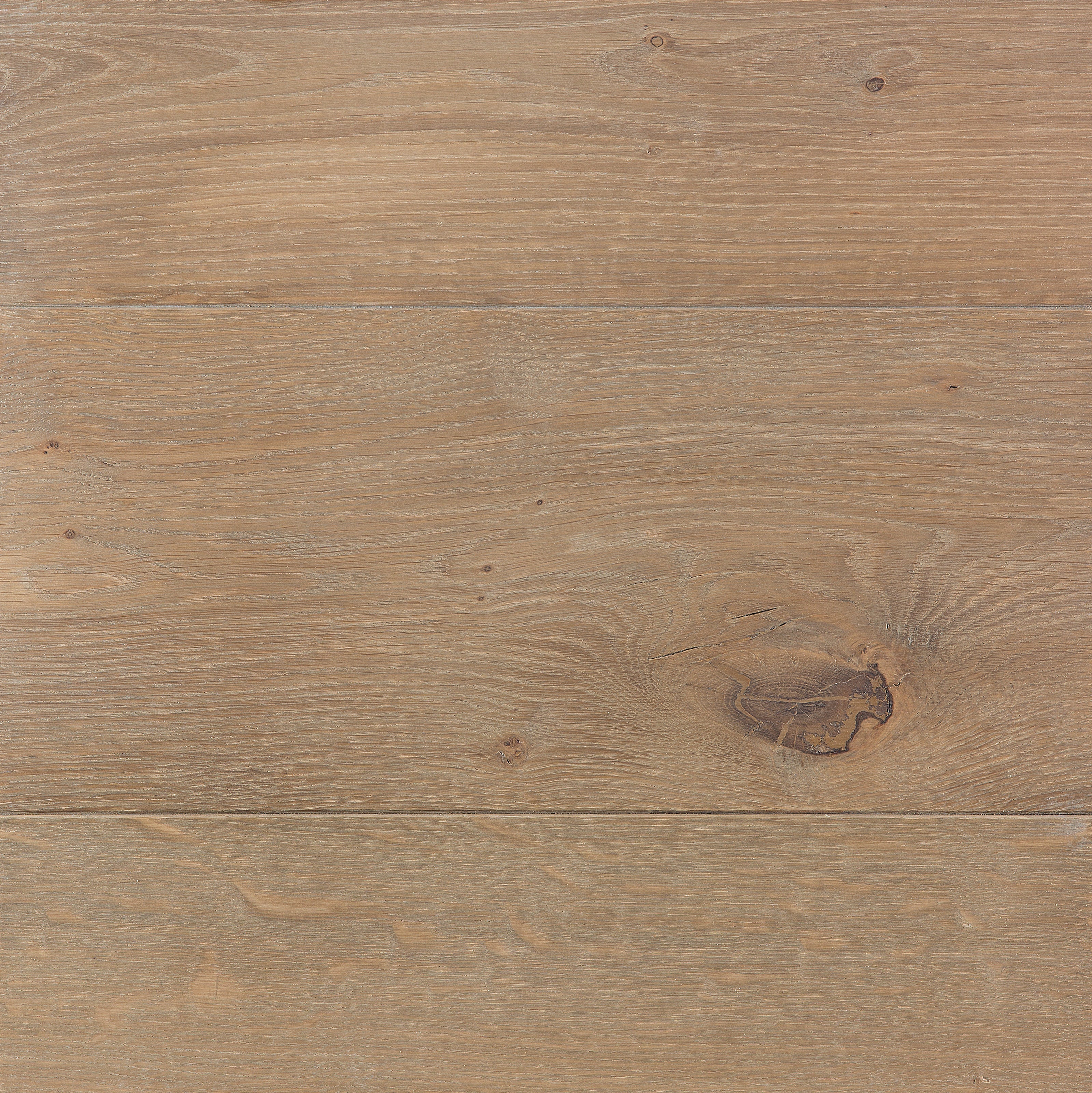
Smoked Oak Reactive Stain is a professional wood coloring system designed to create a naturally aged, smoked, gray-brown oak appearance. Instead of simply adding pigment to the surface, reactive stain works with the tannins in the wood to create depth, variation, and a more organic hardwood flooring color.
If you want a smoked oak floor, weathered oak look, or a soft gray-brown finish that still shows the natural character of the wood, Smoked Oak Reactive Stain is one of the most versatile options in the Ciranova Reactive Stain system.
Shop Smoked Oak Stain
Two shades, three sizes. Start with a 100ml sample to test the color on your own wood.
| Shade | 100ml sample | 1L | 5L |
|---|---|---|---|
| Smoked Oak 1971 | $30.45 | $63.40 | $316.87 |
| 2X Smoked Oak 1918 (deeper tone) | $30.45 | $63.40 | $316.87 |
Free shipping on orders over $99. Not sure how much you need? Use the coverage calculator, or browse more samples and hardwax oil finishes.
What Color Is Smoked Oak Reactive Stain?
Smoked Oak creates a muted gray-brown tone with a naturally aged appearance. On oak, the result can range from soft taupe and warm gray to deeper smoked brown, depending on the wood species, sanding, tannin content, application method, and final finish.
The effect is especially popular for:
- Smoked oak hardwood floors
- European oak-style flooring
- White oak floors with a weathered tone
- Red oak floors when a darker, more neutral look is desired
- Furniture, panels, stairs, and interior woodwork
- Rustic, modern, Scandinavian, and transitional interiors
Because reactive stains respond to the natural chemistry of the wood, Smoked Oak does not look flat or painted. It creates movement and variation, which is part of the appeal.
How Smoked Oak Reactive Stain Works
Ciranova Reactive Stain is different from a standard wood stain. Traditional stains add color mostly through pigments or dyes. Reactive stains create color through a chemical reaction with tannins and natural components in the wood.
That reaction is what gives Smoked Oak its depth, variation, and natural aged appearance.
Important: because the result depends on the wood itself, the same color can look different from one floor to another. Species, sanding grit, age of the wood, moisture, tannin level, and topcoat all affect the final result.
How to Apply Smoked Oak Reactive Stain
Always follow the official technical data sheet for the exact application instructions. The general process is:
- Sand the wood properly and evenly.
- Remove all dust, oils, waxes, and previous finishes.
- Apply Smoked Oak Reactive Stain to clean, bare wood.
- Allow the reactive stain to develop and dry fully.
- Evaluate the color before applying the final finish.
- Protect the surface with a compatible finish such as Magic Oil, Titan, or another recommended Ciranova system.
Do not apply Smoked Oak Reactive Stain over an existing finish. It is designed for bare wood.
What Finish Should You Use Over Smoked Oak?
Smoked Oak Reactive Stain is a color system, not the final protective layer. It must be finished with a compatible protective finish.
Magic Oil
Magic Oil is a good choice when you want a natural matte hardwax oil finish with strong color depth and a warm, oiled wood appearance.
Titan
Titan is a higher-performance option for floors that need extra durability, including high-traffic residential or commercial projects.
Invisible or Natural-Look Finishes
For projects where you want the smoked color to stay subtle and modern, a natural-look finish may be preferred. Always test the full system before applying it to the entire floor.
Is Smoked Oak Good for Hardwood Flooring?
Yes. Smoked Oak Reactive Stain is a strong option for reactive hardwood flooring projects where the goal is a natural smoked, aged, or gray-brown oak look. It is especially effective on oak because oak contains tannins that help create the reactive color effect.
It can be used for hardwood floors, stairs, furniture, panels, and other interior wood surfaces, as long as the wood is properly prepared and protected with a compatible finish.
Smoked Oak vs. Regular Gray or Brown Wood Stain
Smoked Oak Reactive Stain is not meant to look like a flat gray stain or a standard brown stain. It creates a more natural aged effect by reacting with the wood. This gives the finish more depth and movement than many conventional stains.
Choose Smoked Oak if you want:
- A smoked oak floor look
- A natural gray-brown tone
- Visible grain and character
- A European oak-style appearance
- A color that feels aged rather than painted
Choose a regular pigmented stain if you want a more uniform, controlled color with less natural variation.
Always Make a Sample First
Reactive stains must be tested on the actual wood before use. Even if two floors are both oak, the final result can vary depending on sanding, species, age, tannin content, and finishing system.
For best results, make a sample using the same sanding sequence, same application method, same Smoked Oak Reactive Stain, and same final finish you plan to use on the full project.
Smoked Oak Stain FAQ
Does smoked oak stain work on red oak?
Yes. On red oak it gives a darker, more neutral look. Results vary more between species than with pigmented stains, so test on a spare board or a hidden area first.
Can I apply it over an existing finish?
No. Reactive stain needs clean, bare, sanded wood to react with the tannins.
Do I need a topcoat?
Yes. Smoked Oak is a color system, not a protective layer. Finish it with Hardwaxoil Magic, Titan or another compatible Ciranova finish.
What is the difference between Smoked Oak and 2X Smoked Oak?
2X Smoked Oak 1918 gives a deeper smoked tone than Smoked Oak 1971. Order both 100ml samples to compare them on your wood.
How much stain do I need?
Use our coverage calculator or contact us with your square footage and wood species.
Share:
How to Finish Red Oak Without Pink Undertones