


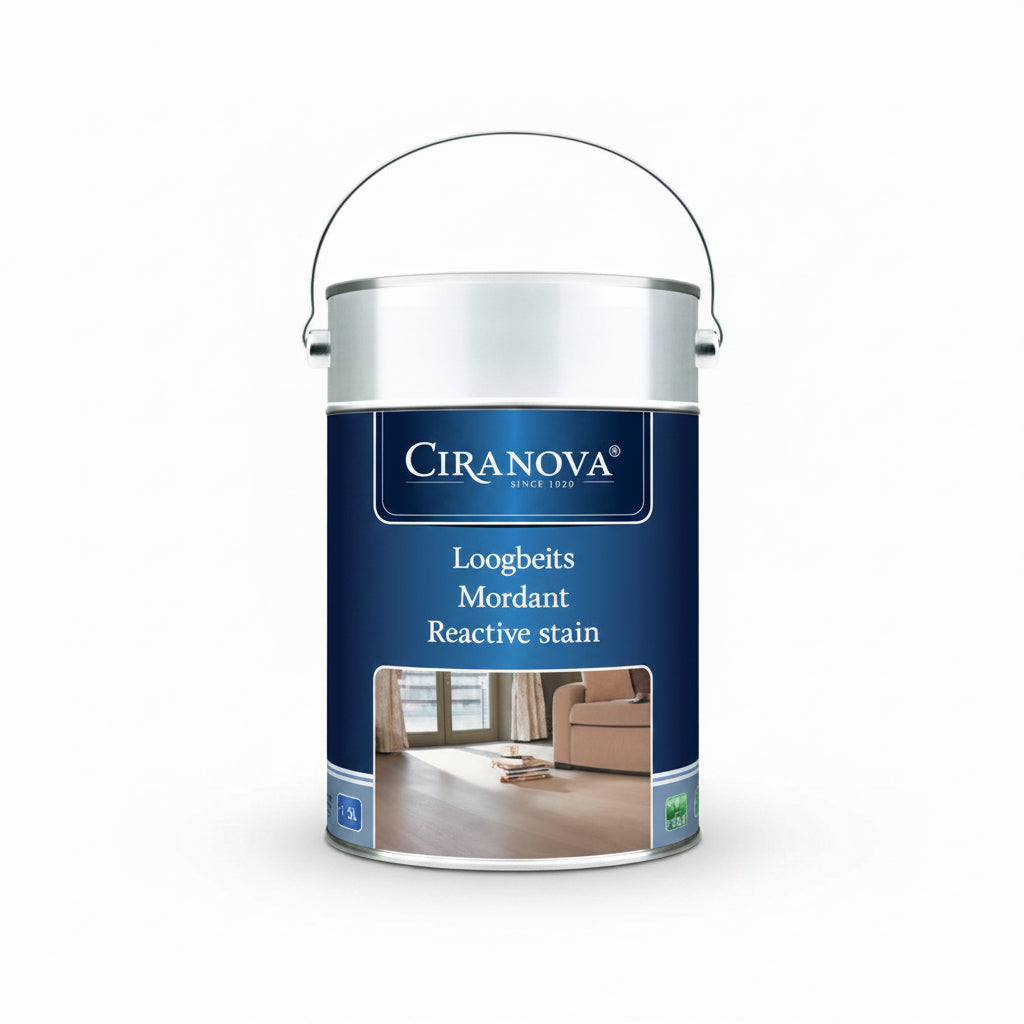
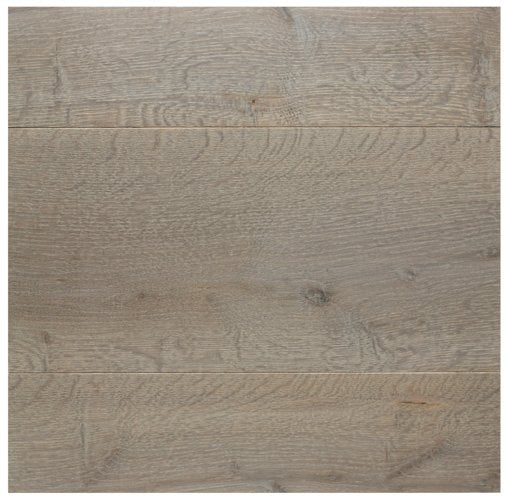
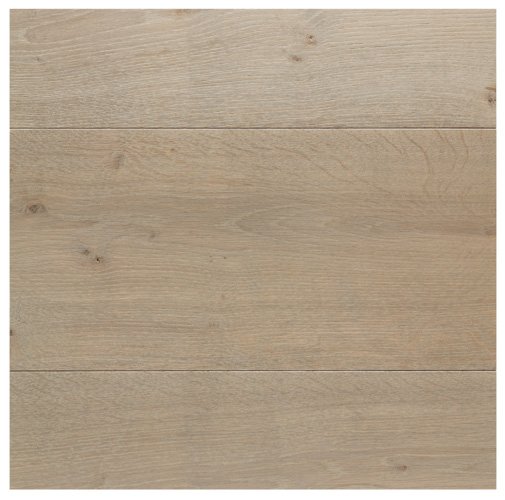
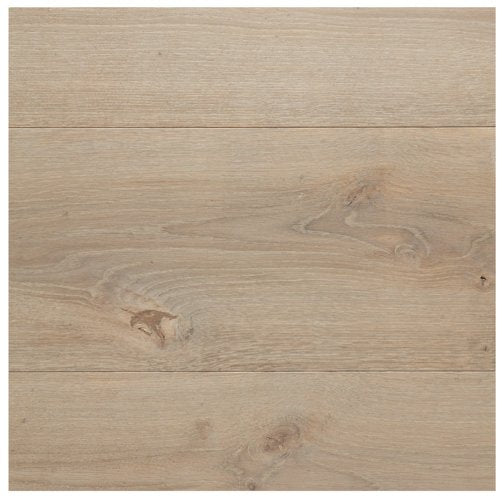

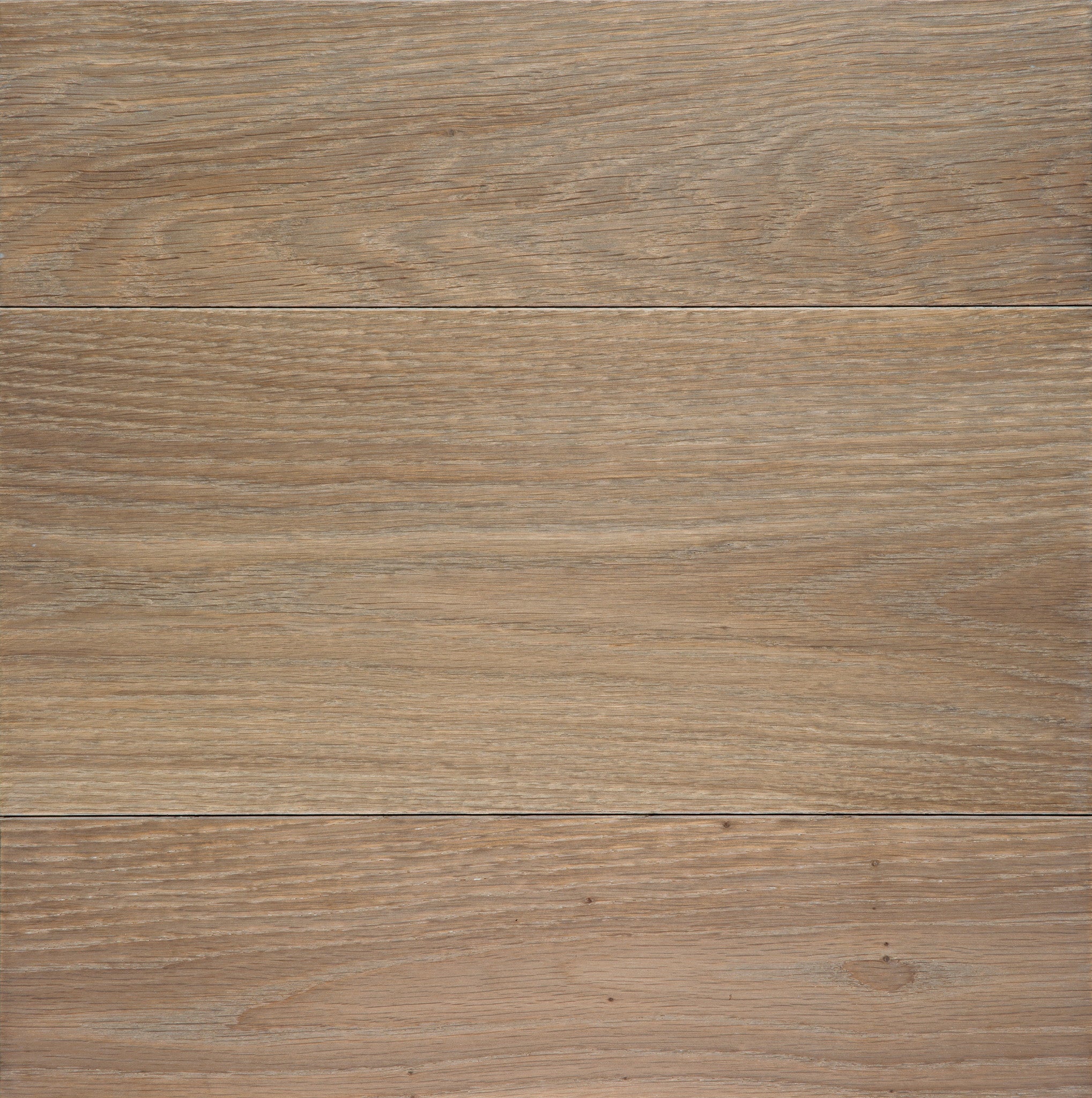

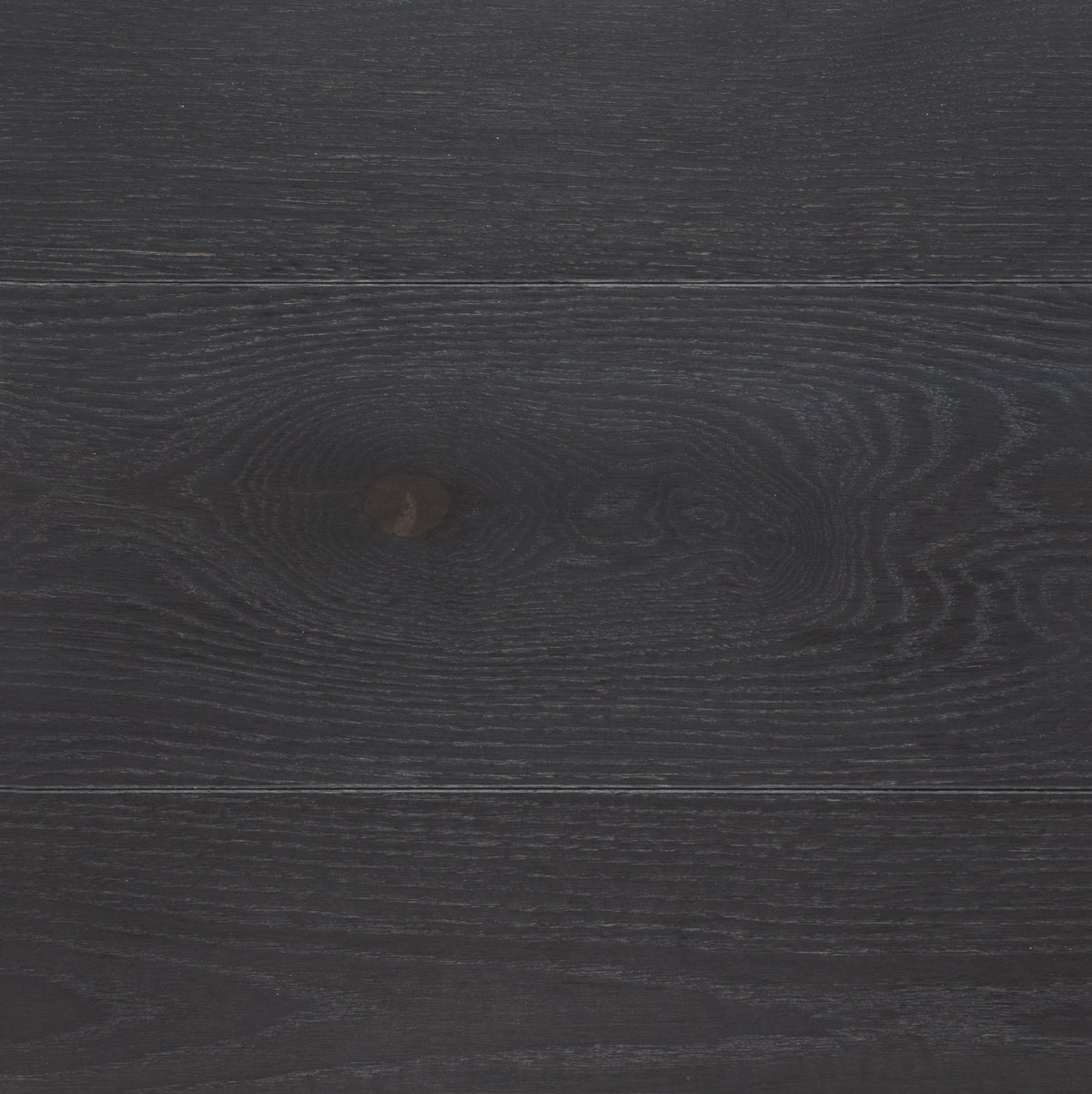
Professional reactive color system
Reactive Wood Stain
Authentic color from within the wood
Creates aged depth by reacting with natural tannins—without masking the grain under a flat pigment layer.
- 19 reactive colors
- Tannin-powered depth
- Waterborne
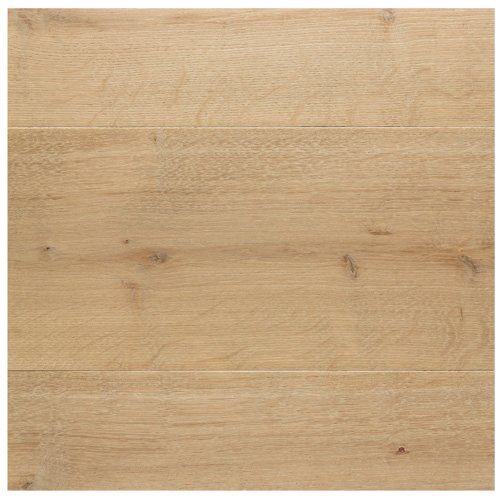
Results vary by wood species and board. For a first project, test the 100 ml size on the exact wood you will finish.
Delivery rates and eligibility are shown at checkout for your destination.
Product essentials & how to use
Ciranova Reactive Stain is a premium, waterborne reactive wood stain designed to create authentic, aged finishes by chemically reacting with the natural tannins in wood. Ideal for achieving vintage, weathered looks on white oak, red oak and other tannin-rich woods like walnut, this stain penetrates deeply to highlight the wood's grain and texture without obscuring its natural beauty. Unlike traditional stains, it doesn't just sit on the surface—it interacts with the wood for a durable, non-fading color that evolves.
Always topcoat with a protective oil or varnish, such as Ciranova Hardwaxoil Magic, for enhanced durability and water resistance.
Whether you're refinishing furniture, cabinetry, or hardwood floors, Ciranova Reactive Stain delivers professional-grade aging effects that mimic years of natural patina in just one application.
REACTIVE STAIN
Professional wood finishing
Specify the whole system.
The final result depends on the wood, preparation, application, and compatible finishing system. Remove uncertainty before the full project.
-
01
Test the actual wood
Species, tannin content, grain, and sanding can materially change color and absorption.
-
02
Calculate the system
Confirm coverage, number of coats, hardener ratio, tools, and site conditions before ordering.
-
03
Follow technical data
Use the current preparation, application, drying, and maintenance instructions for the selected product.
Reactive Stain · Before & after
See how oak changes.
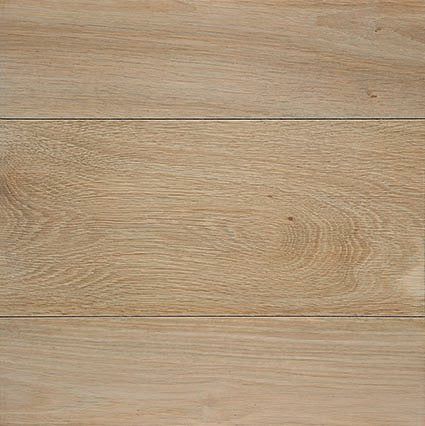
Reactive Stain develops color in tannin-rich wood such as oak. It needs a compatible protective finish. Test the full system on your project wood.
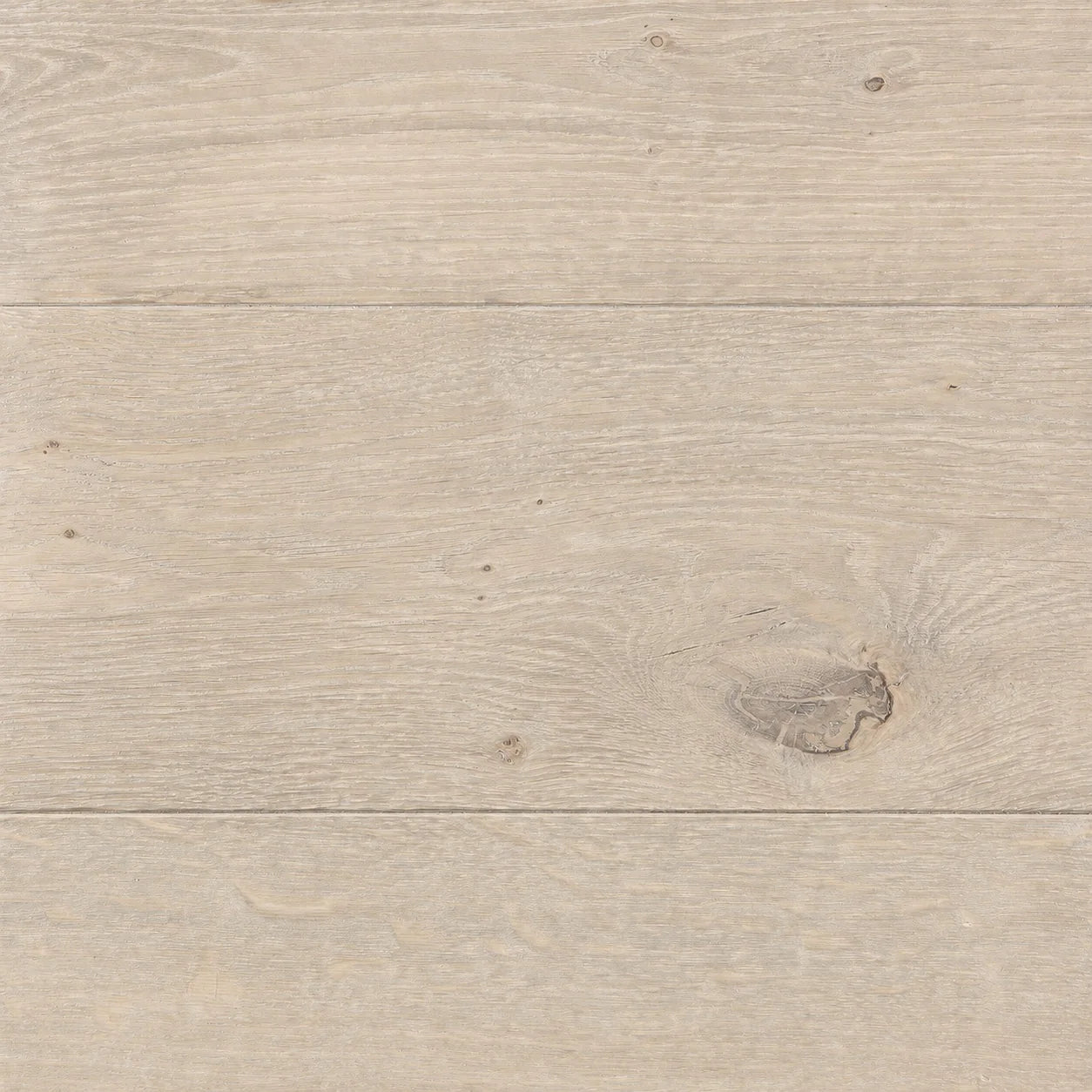
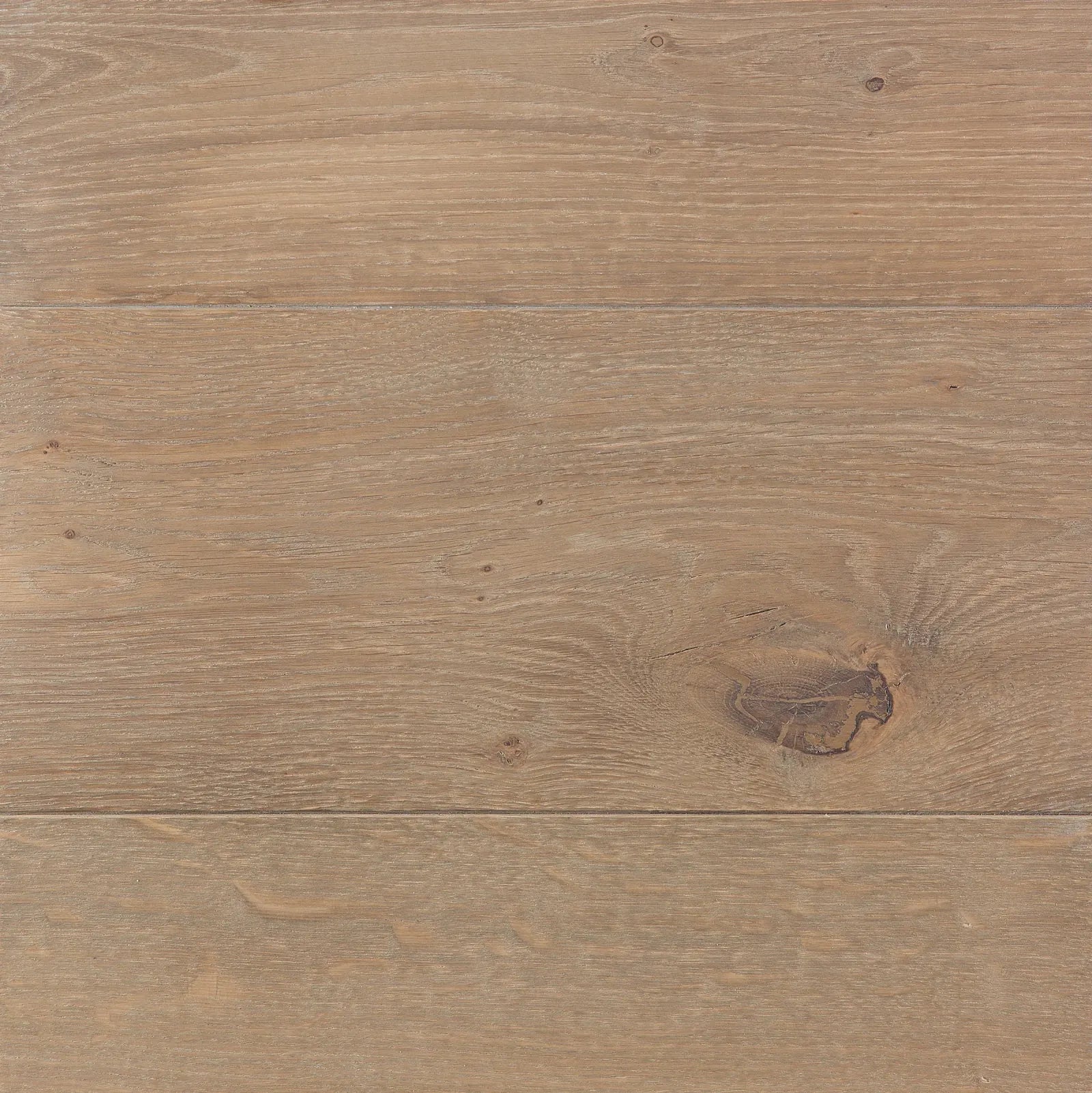
REACTIVE STAIN · Color portfolio
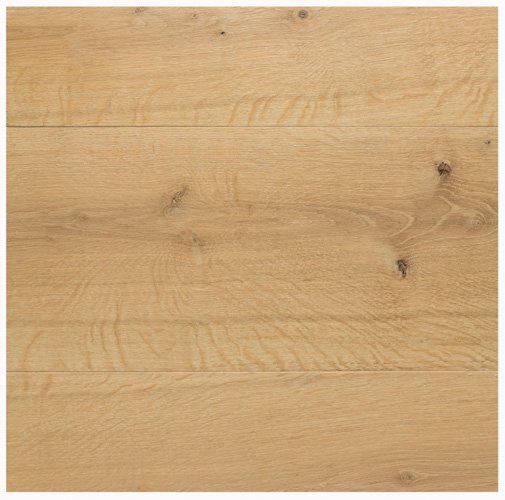
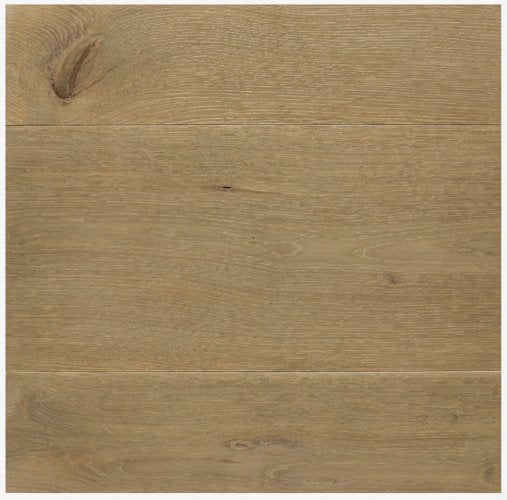
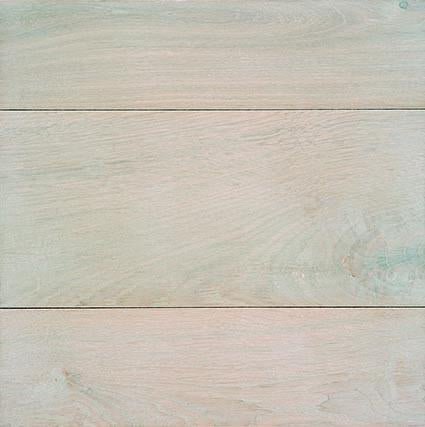
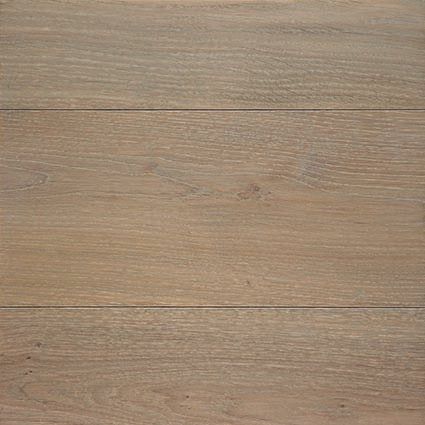
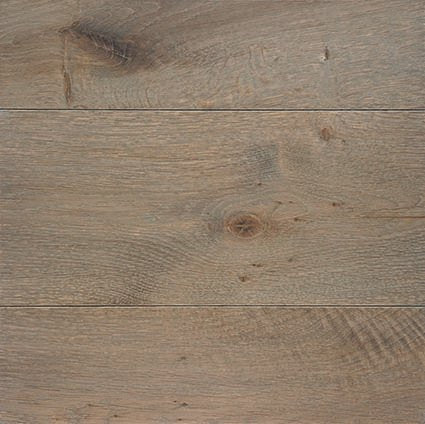
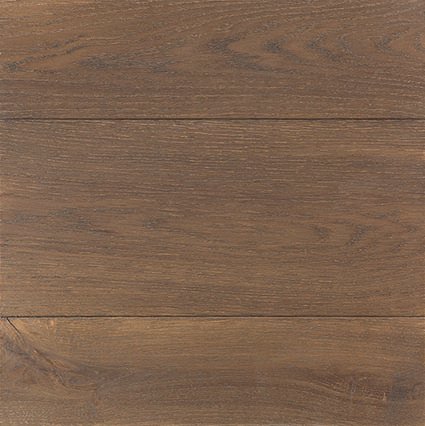
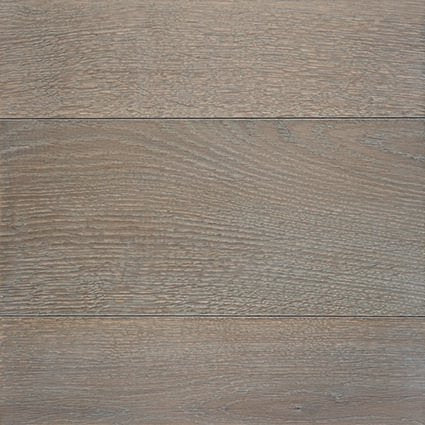
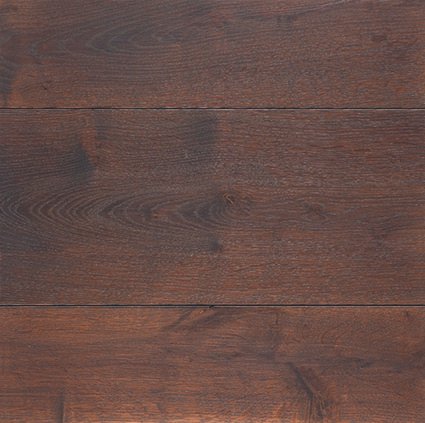
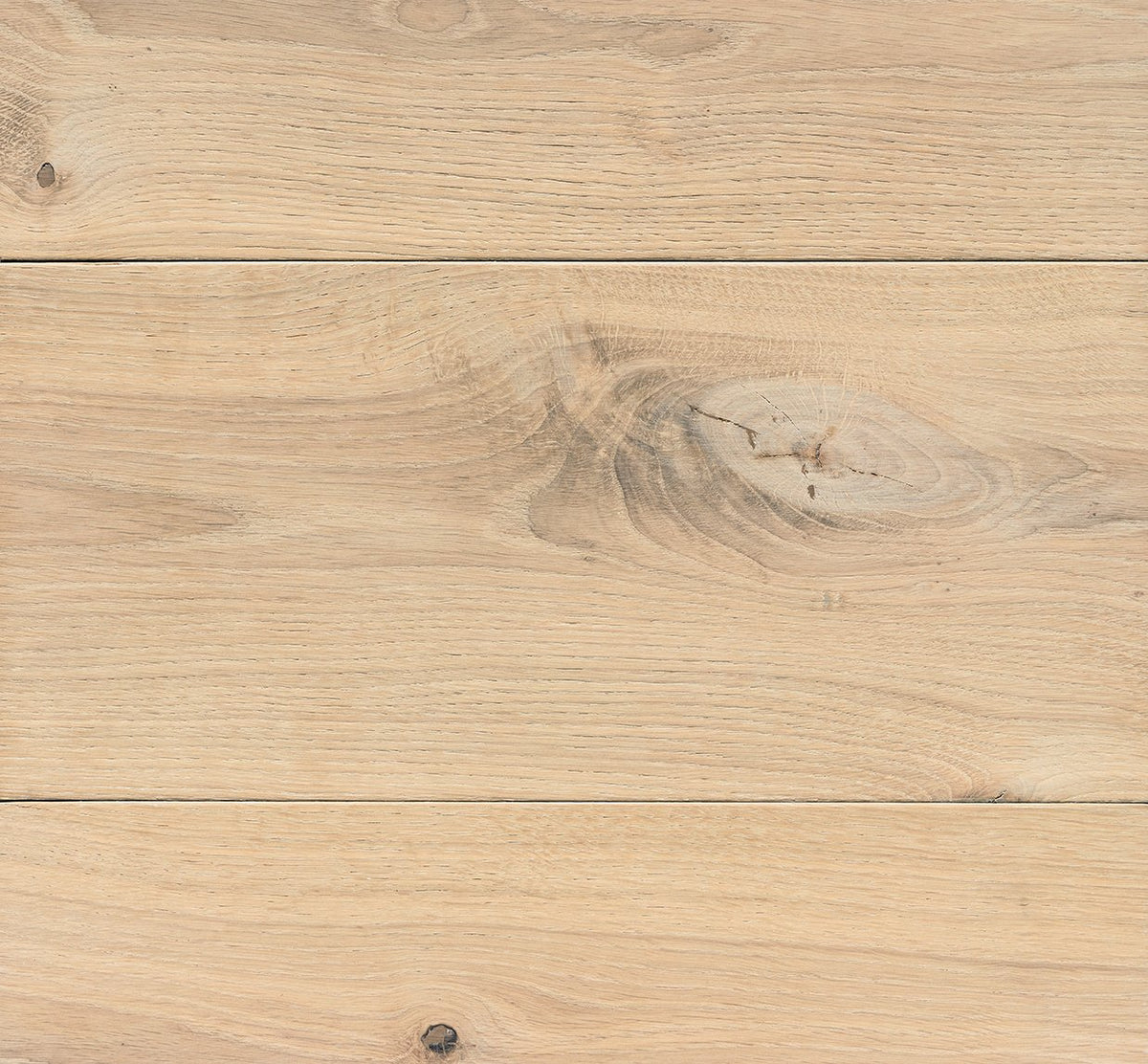
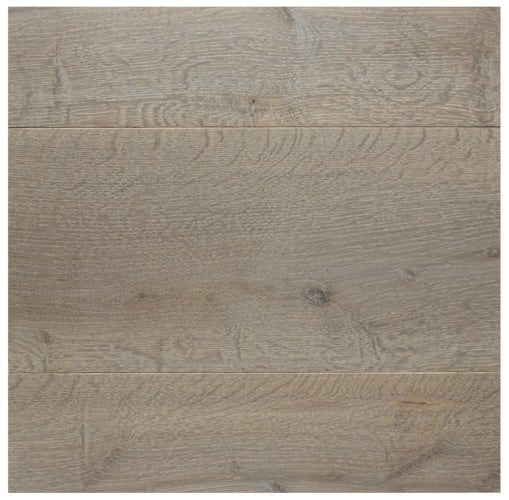
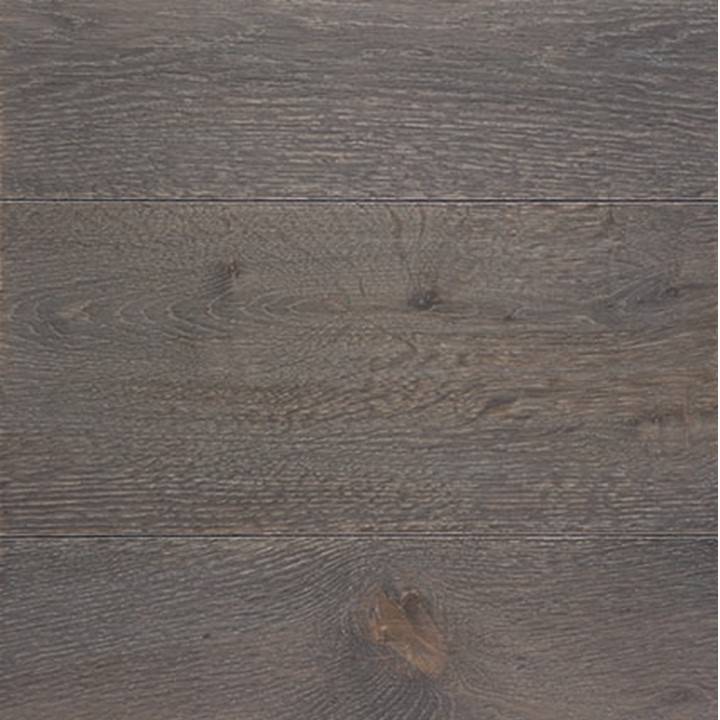
See the finish on wood.
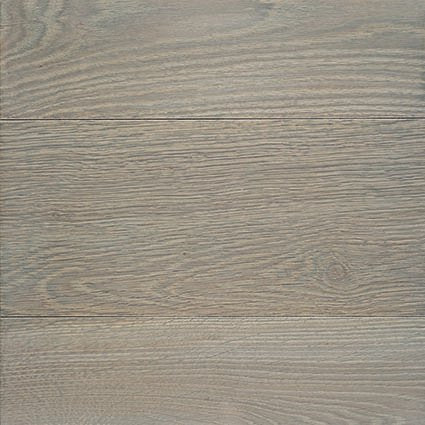
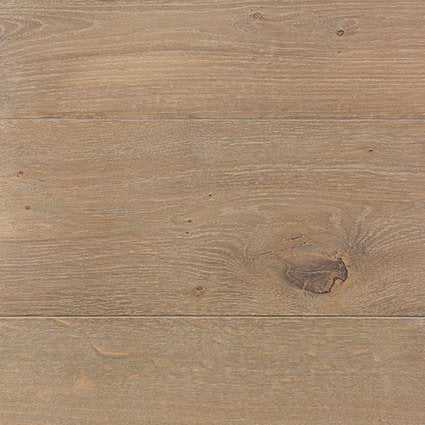
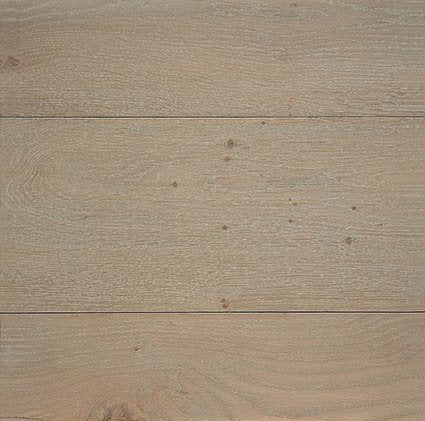
Color shifts with species, sanding, application rate, and light. Explore the complete portfolio, then test the selected finish on the actual project wood.
Technical data · Reactive Stain
Performance, specified.
A concise specification reference for selecting and using Reactive Stain.
| Technical parameter | Specification |
|---|---|
| Product type | Waterborne reactive aging stain |
| Recommended use | Interior wood containing tannins |
| Coverage per liter | Approximately 100–150 sq. ft. |
| Application | Brush or spray; spread evenly along the grain |
| Reaction / drying time | Approximately 6 hours before finishing |
| Sanding grit | P100–120 |
| Protective finish | Required after the full reaction. Use a compatible Ciranova oil; consult technical support before using a waterborne finish. |
| Tool cleaning | Water, immediately after use |
| Storage / transport | 5–25°C (41–77°F) |
Times and coverage depend on the wood, application rate, temperature, humidity and ventilation. Test the complete system on the project wood.
Reactive Stain application guide
Two-stage finishing system
Reactive Stain creates the color; a compatible topcoat provides the protection. Follow these steps in order for a controlled, repeatable result.
Preparation
Application
Protect
Complete the color system with a compatible protective finish selected for the substrate and intended use. Follow the current Technical Data Sheet for the selected finish.
Maintain
Maintain the completed surface with products and intervals appropriate to the final protective finish. Follow the maintenance guidance for the system used.
If you have any questions, you are always welcome to contact us. We'll get back to you as soon as possible, within 24 hours on weekdays.
-
Shipping Information
Ships within 1-2 business days. Expedited options available at checkout page.
-
Customer Support
Available during weekdays, sms, chat, email and phone.
-
Contact Us
Monday - Friday: 8am - 5pm (CT)
Call & Text(786) 460 7588 (English & Spanish)order@ciranovastore.com
FAQs
What are Ciranova Reactive Stains?
Ciranova Reactive Stains are tannin-reactive stains that create color by chemically reacting with the natural tannins in wood, rather than simply depositing pigment like a conventional stain. This reaction helps produce nuanced, “in-the-wood” tones and depth.
How are reactive stains different from traditional stains?
Traditional stains mainly rely on pigments/dyes soaking into the wood. Reactive stains transform the wood’s chemistry, so the final look depends more on the wood species, tannin content, and surface prep. This is why reactive stains can look especially natural—but also more variable.
Will the color be identical on every wood species?
No. Because the stain reacts with tannins, species-to-species variation is normal. Even within the same species, boards can vary due to tannin levels, grain density, and mineral content. The pictures posted here were applied on european white oak.
Do knots, sapwood, filler, or glue lines stain differently?
Yes. Knots, sapwood, fillers, and glue areas can react and absorb differently, creating contrast. This is normal—and why testing on “real-world” boards matters.
How do I apply Ciranova Reactive Stain?
Most users apply with a professional stain applicator, pad, brush, or microfiber method suited to the job size—then work it evenly to avoid overlaps. Always follow the product’s technical directions for your specific reactive stain.
How do I avoid lap marks and overlaps?
Work in manageable sections.
Keep a wet edge.
Apply consistently (same tool, same pressure, same pace).
Avoid stopping mid-board or mid-field when possible.
Maintain consistent lighting so you can see wet edges.